


Forget everything you thought you knew about dieting. It’s not just about shedding pounds; it’s a therapeutic journey to ease pain and restore your body’s balance. For those struggling with waist, knee, or ankle pain, weight loss isn’t optional—it’s an essential part of treatment.
Extra weight creates a domino effect on the body. It increases the load on your joints, triggering muscle tension, inflammation, and recurring pain that can seriously affect your quality of life.
Here’s a surprising fact: losing just one kilogram (2.2 pounds) can reduce pressure on the knee joint by about four kilograms (8.8 pounds). That’s a significant benefit for joint health and pain relief.
As you lose weight, your joints feel lighter, your gait becomes smoother, and movement feels easier—like giving your body a complete tune-up.
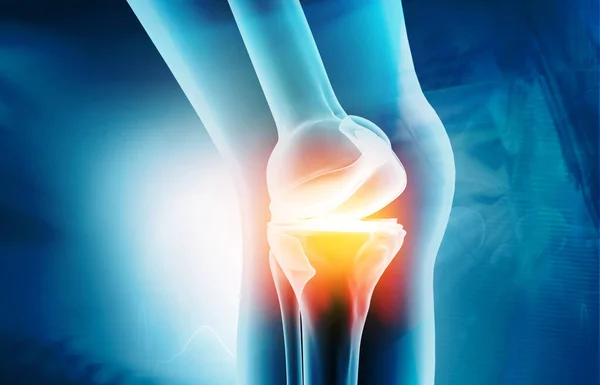
Smart Strategies for Pain-Free Weight Loss
If you’re dealing with pain, your approach to weight loss needs to be different. Jumping into intense workouts when your body already hurts isn’t just unhelpful; it can make things worse. Overdoing exercise may increase inflammation and slow your progress.
Burning too many calories through exercise can also trigger hunger, making it harder to stick to your diet. It becomes a cycle of increased pain and frustration. That’s why, initially, focusing on diet is the most effective approach.
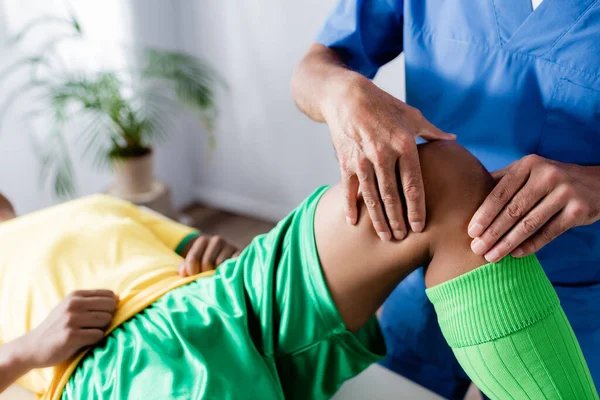
Kick-Start Your Diet with Expert Guidance, Not Extreme Exercise
The best approach is to work with a traditional medicine practitioner who can tailor a weight loss plan to your condition. In the early stages, treatments such as acupuncture, herbal remedies, and gentle manipulations can help address the underlying causes of pain. This combination not only reduces discomfort but also boosts metabolism, making weight management more effective.
The real foundation of early dieting is nutrition. Crash diets may promise quick results, but often lead to fatigue and worsening pain. Instead, focus on anti-inflammatory foods, sufficient protein, and a diet tailored to your specific needs.
When paired with herbal treatments, this approach enhances circulation, reduces bloating, suppresses appetite, and supports metabolic function. A personalized plan guided by a traditional medicine expert is the key to achieving sustainable results.
Keeping the Weight Off: Your Rehab Game Plan
Once the pain has eased and you’ve lost some weight, it’s time to focus on maintaining your progress and building your body’s strength. This rehabilitation phase is crucial for long-term success.
As your food intake increases, your activity level should rise too. The goal is to keep a healthy balance between what you eat and what you burn.
Light walking, core strengthening, and flexibility exercises are great ways to build stability. Incorporating acupuncture or chiropractic care can further prevent pain and support your body’s recovery. This stage isn’t just about maintaining appearance—it’s about building resilience and staying pain-free.
The Secret to Dieting Success: Timing and Balance
The key to overcoming pain through diet lies in achieving the right balance. Start by relieving pain, then focus on healthy eating for gradual weight loss, and finally move into a rehabilitation phase that helps maintain results and prevents pain from returning.
With the guidance of a traditional medicine expert and your own dedication, dieting becomes more than a physical transformation—it’s the path to a pain-free and energetic life.

