


Have you ever sighed, I’m getting old every time you saw white hair in the mirror? However, a recent study by researchers at the University of Tokyo in Japan revealed surprising results.
White hair isn’t simply a sign of aging; it could be a sign of the body’s attempt to protect itself.
The moment your hair turns white, your cells are in a state of battle.
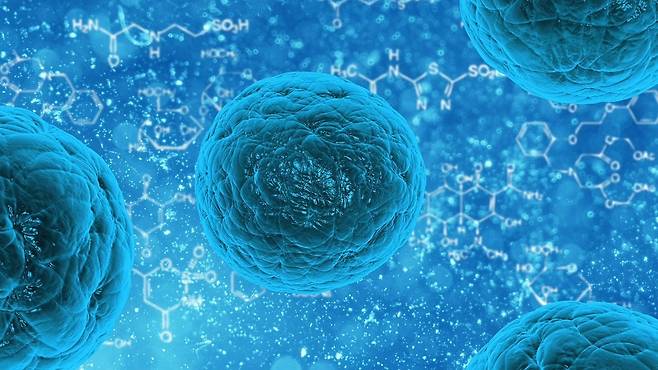
Our hair color is determined by melanocyte stem cells (MCSCs). These cells produce and transfer pigment to hair as it grows.
However, as we age or experience stress, DNA damage accumulates, causing these stem cells to perceive a potential danger and cease their activity.
In other words, the cells decide to stop producing pigment, and the result is white hair. The key to this study is that this phenomenon is not simply degeneration, but may be a protective response from the body to prevent the development of cancer.
White hair or cancer – A cell’s crossroads
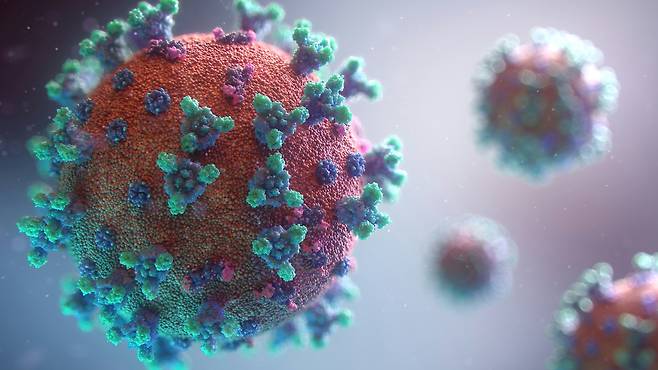
The research team discovered two interesting facts through mouse experiments.
First, when damaged stem cells self-imposed apoptosis and turned white, the risk of tumors decreased. Second, cells that survived damage and proliferated unchecked were more likely to develop into skin cancer (melanoma).
In other words, the cell’s cessation of growth and turning white may be a sacrificial response, a self-destructive response designed to protect the entire body. While we perceive it as aging, from the cell’s perspective, it’s a choice: I won’t develop cancer.
White hair is a natural sign; avoid excessive treatments.

The research team emphasized, While white hair doesn’t necessarily prevent cancer, if the natural quiescence mechanism of pigment cells malfunctions, the risk of tumors can increase.
This means that overusing chemical dyes or topical products aimed at completely eradicating white hair can actually interfere with the normal cell response.
Dermatologists also warn, Unverified safety bleaching and hair regeneration procedures can worsen cellular stress and damage hair follicles. The most important thing is to help cells age properly and fulfill their functions.
Cells need rest, too.

White hair isn’t simply a sign of aging; it may be a sign of your body’s daily battle against damage.
If you spot a white hair in the mirror today, instead of resenting it, smile and say, Well, you fought well. To help your cells age healthily, start by giving them ample rest and balanced nutrition.

