

As temperatures climb, more people are reaching for chilled drinks to beat the heat.
Iced coffee, sparkling sodas, and cold water may offer quick relief from thirst, but some health experts caution that these frosty beverages could come with hidden downsides. From digestive discomfort and headaches to potential cardiovascular strain, the effects may not be as harmless as they seem.
Let’s start with the digestive system. Your stomach operates most efficiently at body temperature. When you flood it with ice-cold drinks, the sudden drop in temperature causes blood vessels in the stomach to constrict.
This can slow the production of digestive juices and enzymes, potentially leading to bloating or stomach pain. Drinking icy beverages on an empty stomach may even irritate the stomach lining.

Gastroenterologists warn that the stomach is sensitive to temperature changes, and sudden cold shocks can temporarily disrupt its function. Gulping cold water before or after meals—or on an empty stomach—might increase the risk of long-term digestive issues.
Then there’s the familiar sensation of brain freeze. That sharp, sudden headache after drinking something cold too quickly is your trigeminal nerve reacting to the chill. The nerve signals your brain, causing blood vessels to constrict and then rapidly dilate. The result is that an intense headache is known as an “ice cream headache.”
According to a neurologist in Seoul, while these headaches are usually brief, frequent or intense episodes may be linked to more chronic headache conditions. If you’re already prone to migraines, icy beverages could become a trigger worth avoiding.
Cold drinks may also affect your cardiovascular system. When something cold enters your body, it can prompt blood vessels to constrict, leading to a temporary rise in blood pressure or heart rate. For individuals with hypertension or preexisting heart conditions, this response could pose an added risk.
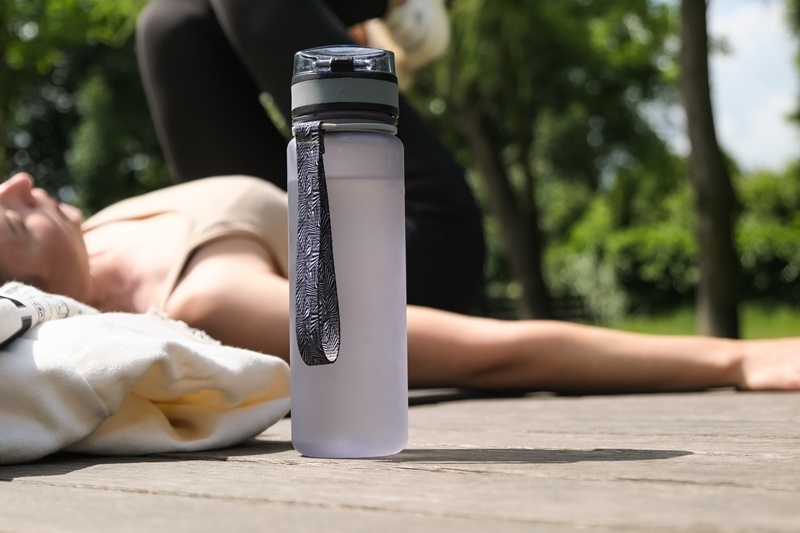
On especially hot days, when your body is already under stress, chugging a freezing drink might further disrupt your internal temperature regulation. Instead of cooling you down, it could worsen symptoms of dizziness or fatigue. Even after a workout, while that icy drink might feel refreshing, it may strain your heart when your body is already working to recover.
Experts emphasize that it’s not just the temperature of your drink that matters—it’s how you consume it. The recommendation? Choose beverages that are cool, not ice-cold, and sip them slowly. And while chewing on ice may seem harmless, it can damage your teeth over time, so it’s best to avoid the habit altogether.
Giving up cold drinks entirely might not be realistic, especially in the summer, but minor adjustments can go a long way. Try drinking slowly and opt for water at about 50 to 59 degrees Fahrenheit (10 to 15 degrees Celsius). This range minimizes potential side effects and allows for better absorption and hydration.
The key is moderation. Rather than going ice-cold, consider a more gentle approach to hydration. Your body—and your health—will thank you.

