

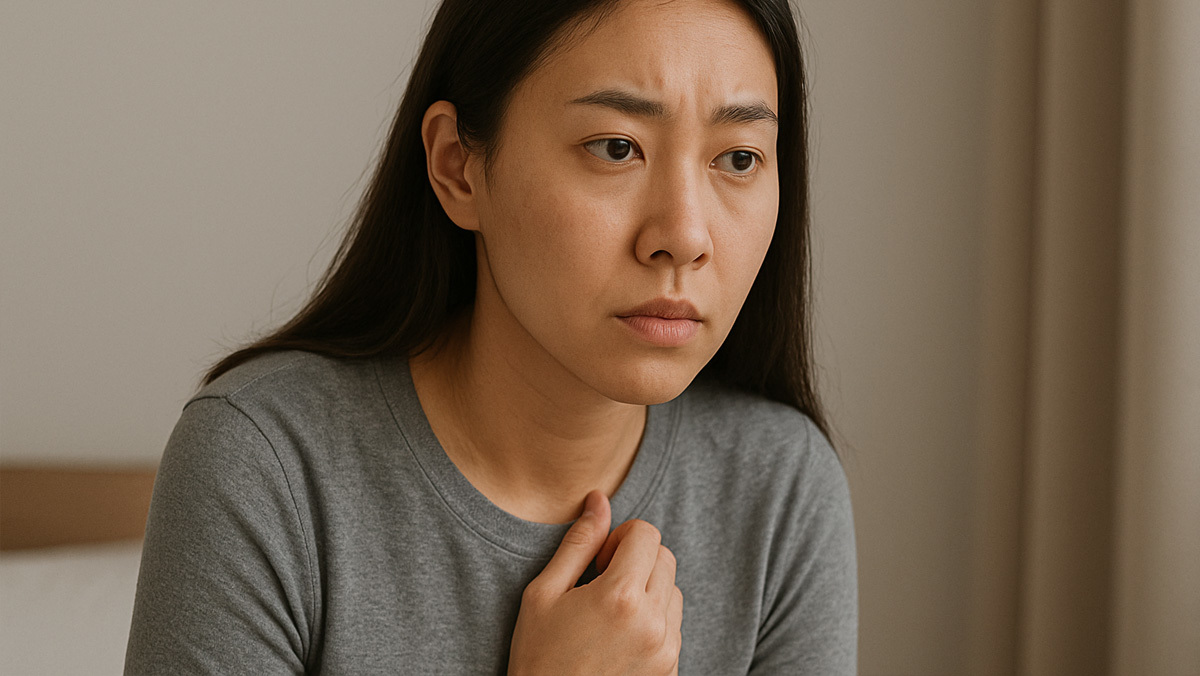
Lately, more people in their 20s to 40s are heading to the doctor with one shared concern: anxiety. It’s not always tied to a major life event or health issue—just a constant, unexplained sense of unease that creeps into everyday life.
The tough part is that once this anxiety takes hold, it can be hard to shake. You might try to bury yourself in work or distract yourself, but that nagging tension in the back of your mind doesn’t quite go away.
So what actually helps?
It might sound too simple, but experts from the American Psychological Association, the World Health Organization, and even Harvard Medical School agree that walking is one of the most effective ways to reduce anxiety. It’s easy, free, and doesn’t require a gym membership.
Walking helps regulate your breathing and heart rate, which naturally calms your nervous system. It’s like pressing the reset button on stress.
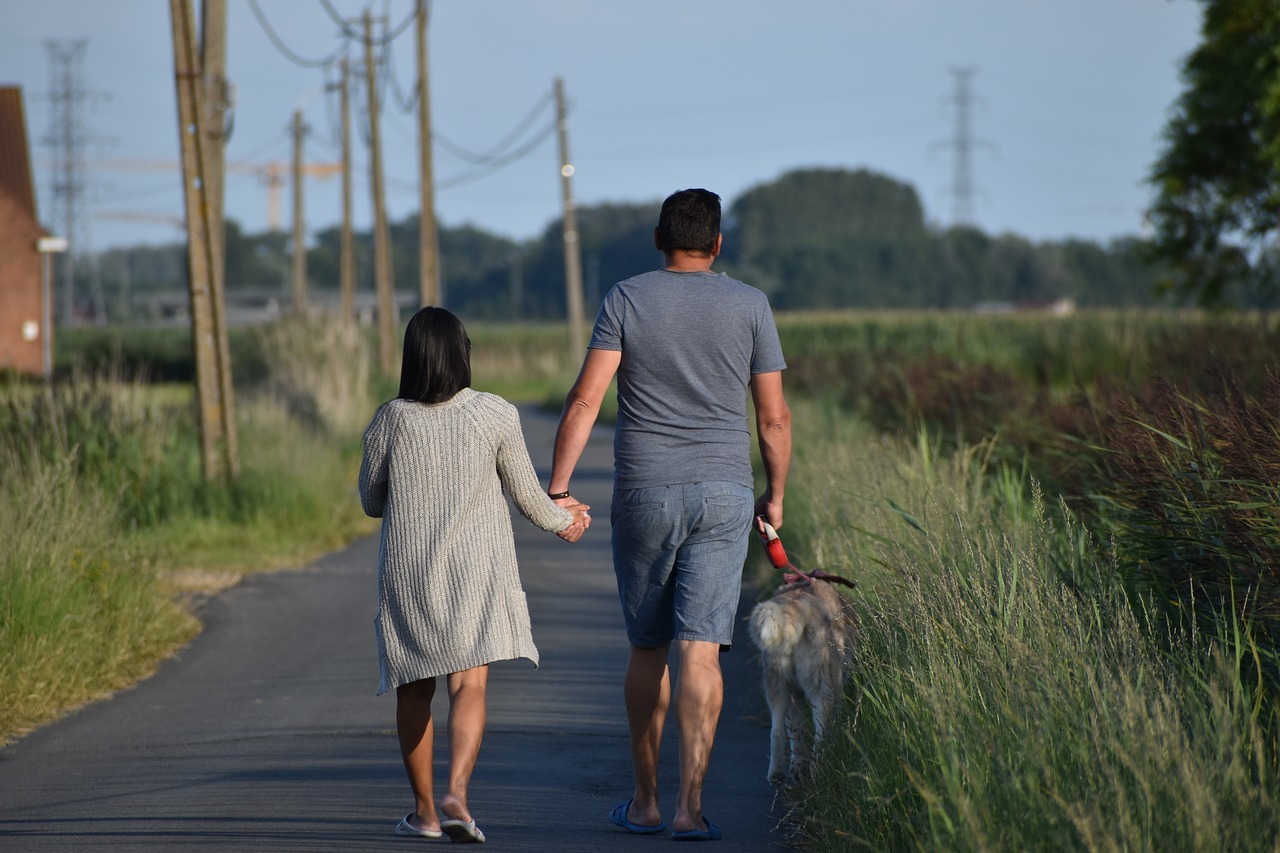
And there’s real science behind it. As you walk, your brain releases serotonin and endorphins—the same feel-good chemicals that kick in when you laugh or hug someone. Just ten minutes in, your cortisol levels drop, and your muscles begin to relax. According to mental health professionals, walking for 30 minutes, five times a week, can help manage early signs of anxiety in a lasting way.
But this isn’t about power walking like you’re late for work. The key is to move at a steady, comfortable pace and, if possible, take your walk outdoors. Being in nature adds another layer of calm, whether it’s a quiet park, a riverside path, or a leafy neighborhood street. The combination of movement and fresh air acts like meditation in motion—it’s no wonder some people call it “walking meditation.”
A 2023 Harvard study found that patients who took regular outdoor walks experienced better stress recovery than those who relied solely on medication. Walking works because it’s consistent, accessible, and restorative.
If walking isn’t quite your thing, yoga is another excellent option. And no, it doesn’t have to involve twisting yourself into impossible shapes. Styles like Hatha, slow flow, or gentle Vinyasa focus on deep breathing and mindful movement, which are perfect for easing anxiety.
Here’s what makes yoga so effective: the slow, intentional breathing helps calm the amygdala, the part of your brain responsible for fear and panic. With regular practice, your brain actually gets better at regulating stress. It’s like strength training for your emotional well-being.
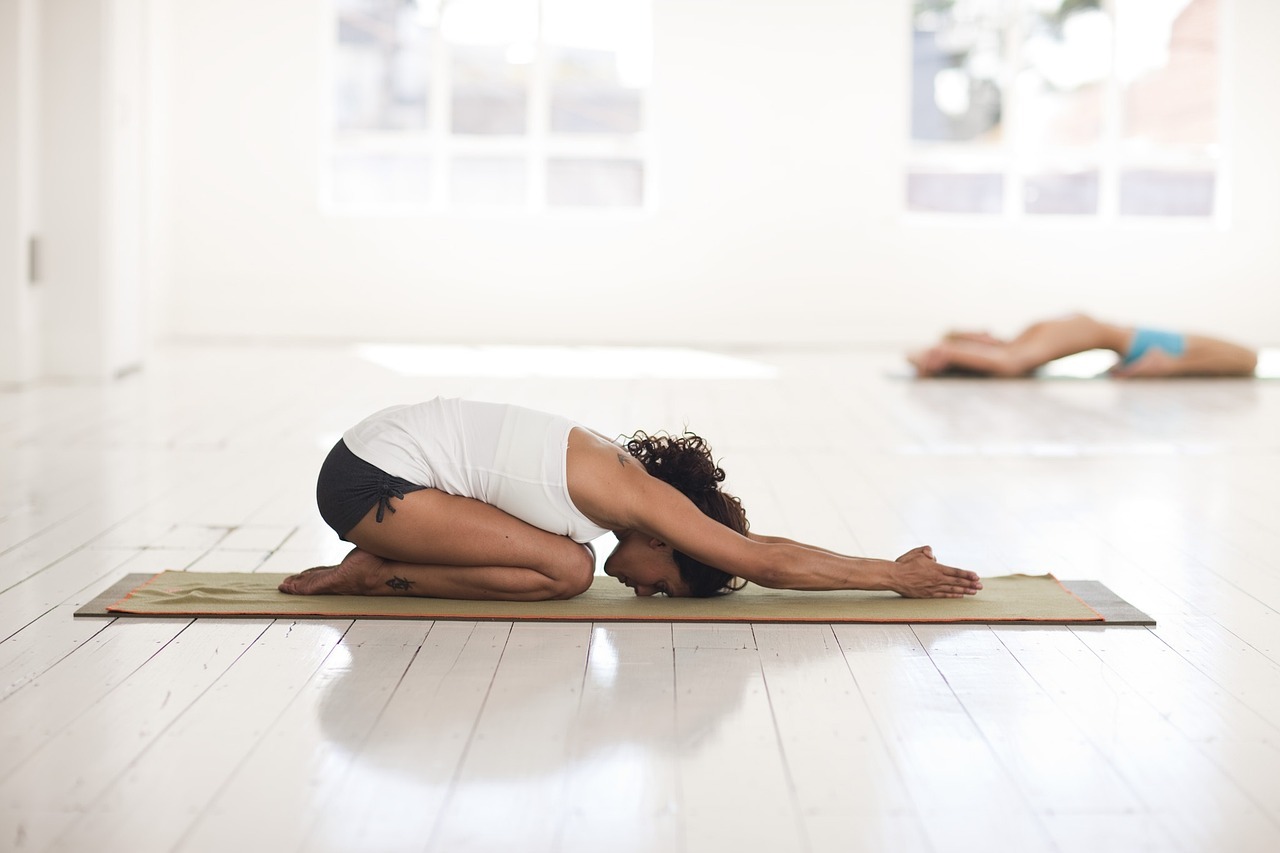
Even just ten minutes of yoga a day can make a difference. Slow stretches and focused breathing can dissolve tension and create a sense of calm. You don’t need to leave your living room—plenty of great yoga apps and free videos online guide you.
Yoga isn’t just about flexibility. It’s about healing. That simple pose where you lie on your back and breathe? It can ease anxiety and even help you sleep better. Some hospitals are even recommending yoga to patients with anxiety because of its long-term benefits.
Conversely, when you’re feeling overwhelmed, movement helps more than stillness. Think of anxiety as your brain misfiring signals—exercise helps bring things back into balance, no prescription required.
So why not start today? A little movement can go a long way, whether a walk through the park or ten minutes of deep-breathing stretches. When your body moves, your mind begins to heal.

